10 Questions Every First-Time Home Buyer Should Ask at the Inspection
10 Questions Every First-Time Home Buyer Should Ask at the Inspection
By Michael Perkins | Open House PDX | openhousepdx.com
You finally got an accepted offer. Congratulations. Now comes one of the most important — and most misunderstood — steps in the whole process: the home inspection.
I’ve walked hundreds of buyers through inspections here in Portland, and the same questions come up every single time. So I’m putting them all in one place. Print this out, save it to your phone, whatever works. Just bring it with you.
Here are the 10 questions you absolutely should ask at your home inspection.
1. What’s the difference between a minor issue and a major one?
This is the first thing to understand before the inspector even opens their mouth. Every report is going to have a list of items — and that list is going to look scary. But not everything on it is a dealbreaker.
Generally speaking, issues fall into three buckets:
- Minor defects or maintenance items: simple, inexpensive fixes. Caulk around a tub, a sticky door, a dripping faucet.
- Defects or recommendations: something not working as intended that should be repaired. A failing exhaust fan, improper grading, a cracked window seal.
- Safety hazards or major concerns: things that have a real impact on the value or safety of the home. Electrical issues, foundation problems, active water intrusion.
Your inspector should be labeling items clearly. If they’re not, ask them to explain which category each significant finding falls into.
2. How old are the roof, water heater, and HVAC systems?
These are the three big-ticket items that have a defined lifespan — and knowing their age tells you a lot about what’s coming down the road.
- Roofs typically last 20–30 years depending on the material. Oregon’s wet winters are hard on roofs.
- Water heaters usually have 8–12 years of useful life. If you’re buying a home with a 9-year-old water heater, start budgeting now.
- HVAC systems average 10–15 years. Age plus condition tells you whether you’re looking at a tune-up or a full replacement.
Your inspector may not always include these ages in the written report. Ask out loud at the inspection so you get the answer on the spot.
3. Is there any evidence of water intrusion or moisture damage?
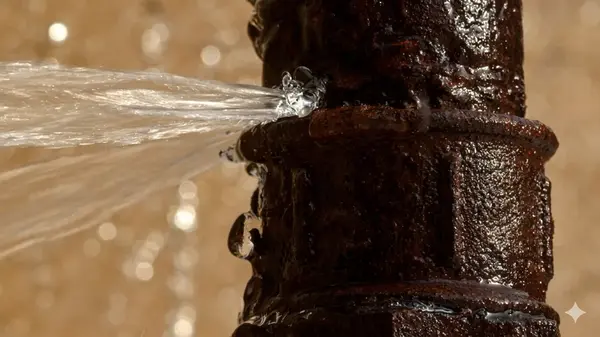
Water is the enemy of every house. And in Portland, we see a lot of it. Your inspector should be looking for staining on ceilings and walls, moisture in crawl spaces and basements, rust around pipe joints, soft spots in flooring, and any signs of mold or mildew.
The most important follow-up question here: is this an active issue or a historic one? A water stain from a roof leak that’s already been repaired is very different from an active leak. Ask your inspector to help you tell the difference.
4. Are there any red flags in the electrical system?
Electrical issues are one of the leading causes of house fires, and they’re not always visible. Ask your inspector specifically about:
- The age and condition of the electrical panel
- Whether the wiring meets current code (older homes may have knob-and-tube or aluminum wiring)
- GFCI outlets in kitchens, bathrooms, and garages
- Any double-tapped breakers, DIY wiring, or other red flags
If anything looks questionable, it’s worth bringing in a licensed electrician for a more detailed evaluation before you close.
5. What’s the condition of the foundation?
Some cracking in a foundation is completely normal — houses settle over time. But not all cracks are equal. Your inspector should be able to tell you whether what they’re seeing is normal settlement or something that warrants a structural engineer taking a closer look.
Also ask about bulging walls, signs of water in the basement or crawl space, and whether any tree roots are encroaching on the foundation. In Portland, we have a lot of big trees and older homes. This matters.
6. Should I get a sewer scope?
This is a question I always bring up with my Portland buyers, especially on homes built before 1980. A standard home inspection does not include a sewer scope — that’s a separate service where a camera is run through the sewer lateral from the house to the street.
Why does it matter here? Because Portland has thousands of older homes with clay sewer pipes, and tree roots love clay pipes. A sewer repair can run anywhere from a few hundred dollars for a cleaning to $10,000+ for a full replacement. A sewer scope costs around $150–200 and is absolutely worth it on any older home.
7. What does the inspector recommend I get a specialist to look at?
A home inspector is a generalist. They’re trained to recognize potential problems across all the home’s systems and know when something needs a closer look from a specialist — a plumber, an electrician, a structural engineer, an HVAC technician.
At the end of the inspection, ask directly: “Based on what you saw today, is there anything you’d recommend I get a second opinion on?” A good inspector will tell you straight.
8. What happens if we find something big — can I walk away?
Yes — as long as you have an inspection contingency in your purchase agreement, which your offer should include. If the inspection uncovers something significant, you generally have a few options:
- Ask the seller to repair the issue before closing
- Ask for a price reduction or seller credit
- Walk away from the deal entirely and get your earnest money back
This is exactly why we don’t waive the inspection contingency lightly. It’s your protection. We’ll talk through your options once we see the report.
9. What should I NOT ask the seller to fix?
Every inspection report has cosmetic items on it — peeling paint, worn carpet, outdated fixtures. These are your problem to deal with, not the seller’s. Asking a seller to repaint a bedroom or replace old appliances rarely lands well and can sour a deal that’s going smoothly.
The things worth asking for are safety hazards, structural issues, and major system failures. The cosmetic stuff? Factor it into your renovation budget and move on.
10. Should I be at the inspection the whole time?
100% yes. I always tell my clients: show up, follow the inspector around, and ask questions in real time. Don’t just wait for the written report.
Being there gives you two things: context and confidence. When you can see what the inspector is pointing at, the report makes a lot more sense. And you’ll leave knowing where your main water shut-off is, how to reset your electrical panel, and what to keep an eye on as a new homeowner.
The written report comes within 24 hours. But the in-person walk-through is where the real education happens.
Who I recommend for home inspections in Portland
When I need a home inspector I can put my name behind, I call Shawn Millett at Key Beginning Inspections. He covers the full Portland metro, uses a drone for roof assessments, and delivers a color-coded Spectora report within 24 hours that actually makes sense to a first-time buyer.
Shawn is certified through both ASHI and InterNACHI, and he’s one of those inspectors who takes the time to walk you through everything in plain language — not just hand you a report and disappear. My clients consistently rave about him.
You can reach Shawn at 503-866-9481 or visit keybeginninginspections.com to schedule.
The bottom line
No house is perfect. Every inspection report is going to have a list of items on it, and that list is going to look longer than you expect. That’s normal. The goal isn’t a perfect report — it’s an informed buyer.
If you’re buying your first home in Portland and you have questions about the inspection process — or anything else in the transaction — I’m always happy to talk it through.
Michael Perkins
Your Networking Realtor | Open House PDX
503-800-7878 | michael@openhousepdx.com | openhousepdx.com
Categories
Recent Posts